Welcome to WordPress. This is your first post. Edit or delete it, then start writing!
Category: Blog
Your blog category
-
BatteryEX Marketplace is Now Live in Beta
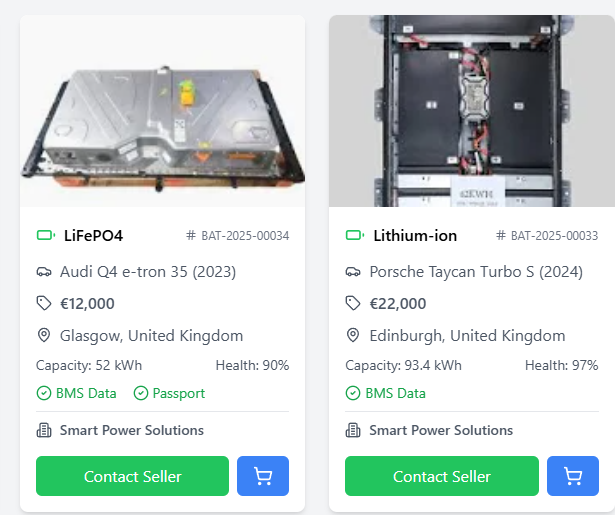
We’re thrilled to announce that BatteryEX.co.uk is now live in Beta! 🎉
As the world transitions to cleaner mobility and energy solutions, managing end-of-life EV batteries is becoming a critical challenge—and an exciting opportunity. That’s why we’ve built BatteryEX, a digital marketplace designed to connect sellers of used EV batteries with buyers looking for second-life applications, such as energy storage and repurposing.
What Can You Do on BatteryEX?
✅ List & Sell Used EV Batteries – Whether you’re an EV fleet operator, recycler, or battery supplier, you can now list batteries for resale with ease.
✅ Find Second-Life Battery Solutions – Buyers can browse available batteries, filtering by chemistry, state-of-health (SoH), capacity, and price.✅ Connect & Trade – Our platform facilitates transparent and direct connections between sellers and buyers, ensuring a smoother transaction process.Why This Matters
Every EV battery has a second life, whether in energy storage, grid balancing, or industrial applications. By reselling and repurposing batteries instead of premature recycling, we can:♻️ Reduce battery waste
⚡ Lower energy storage costs🌍 Support a circular economyBatteryEX is designed to make this transition seamless, with features like state-of-health verification, upcoming AI-driven pricing insights, and digital battery passports to ensure full traceability and compliance with future regulations.
Join the Beta – Help Shape the Future!
We’re inviting sellers, buyers, and industry stakeholders to join our Beta program. This is your chance to:✔ Test the platform and provide feedback
✔ List or browse batteries for resale✔ Shape the next phase of BatteryEX’s development📩 Get in touch with us to discuss how BatteryEX can support your battery resale or repurposing needs!
👉 Try the Beta now at marketplace.batteryex.co.uk!
The future of second-life EV batteries starts here. Let’s build it together. 💡🔋🚀
-
Navigating the EU Battery Passport

The electric vehicle revolution is transforming transportation, but it also presents a new challenge: what happens to EV batteries at the end of their first life? The EU is leading the way in establishing a circular economy for batteries with its Battery Regulation (EU) 2023/1542, setting ambitious sustainability and traceability goals. A key element of this regulation is the battery passport, a comprehensive digital record that provides transparency and accountability throughout the battery lifecycle.
What is the Battery Passport?
Imagine a detailed “birth certificate” and “service history” for every EV battery entering or circulating within the European Union. That’s essentially what the battery passport aims to be. From February 18, 2027, specific types of batteries – including those in EVs, light means of transport (LMT), and certain industrial applications – will need to have this digital record to be legally placed on the market.
The battery passport will contain a wealth of information, including:
-
Battery Identification: Unique identifiers and product data.
-
Carbon Footprint: Information about the battery’s environmental impact.
-
Materials Composition: Details on critical raw materials and any hazardous substances.
-
Circularity: Data on recycled content, dismantling instructions, and recyclability.
-
Performance and Durability: Metrics like capacity, state of health, and expected lifetime.
-
Supply Chain Due Diligence: Records of ethical and sustainable sourcing.
-
Compliance and Safety: Certification from approved institutions.
Why Does This Matter to You as a Buyer?
The EU Battery Regulation is not merely a set of rules – it’s a paradigm shift towards a responsible and sustainable battery industry. For buyers of used or second-life EV batteries, the battery passport offers significant benefits:
-
Verified Performance: Confidence in the stated state-of-health, capacity, and remaining life of batteries.
-
Ethical Sourcing: Assurance that materials were sourced responsibly and without human rights violations.
-
Regulatory Compliance: Access to batteries that meet all applicable EU regulations.
-
Testing Integration: We partner with a number of testing entities so there are simple, low-cost solutions for data collection and verification.
-
Compliance Expertise: We have a dedicated legal team to ensure compliance with the latest updates and changes to EU Battery Passport regulations.
-
End-to-End Solution: BatteryEx doesn’t just provide a platform for selling batteries – it’s a comprehensive system that helps buyers and sellers seamlessly navigate the complexities of the battery passport.
-
Browse our selection of batteries.
-
Contact us to discuss your requirements and how we can help you.
Future-Proofing: Access to batteries that are ready for evolving regulations and market standards.
How BatteryEx Simplifies Battery Passport Compliance
Navigating the complexities of the battery passport can be challenging. What information is required? How do you verify its accuracy? How can the average battery reseller become a testing facility? And how can a company stay up to date with changing legislation? That is where BatteryEx comes in!
This is how BatteryEx solves the problem:
Join the Future of Battery Trading
The EU Battery Regulation and the battery passport are set to transform the way batteries are traded and reused. By choosing BatteryEx, you are not only gaining access to high-quality batteries but also ensuring a future-proof, sustainable, and legally compliant solution.
Contact us HERE to discuss
Important Note:
This blog post is for informational purposes only and does not constitute legal advice. While we strive to provide accurate and up-to-date information, the EU Battery Regulation is complex and subject to change. Please consult with legal professionals and relevant regulatory bodies for specific guidance on compliance.
-
-
Will Europe’s EV Battery Boom Meet the Grid Storage Challenge?
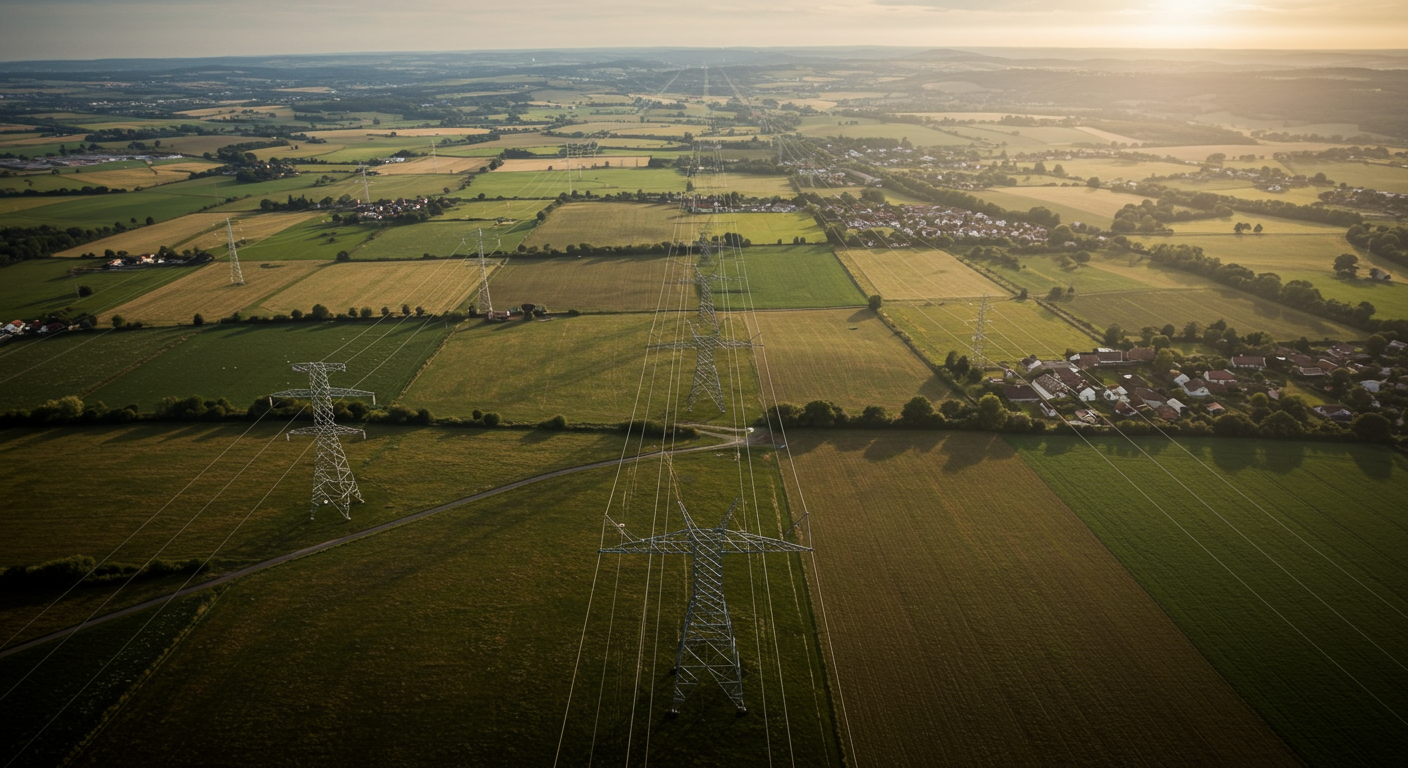
Europe is charging ahead with electric vehicle (EV) adoption, a critical step towards decarbonizing transportation. But this surge in EVs brings a new challenge: what happens to all those batteries when they reach the end of their first life in a car? Could they be the answer to another pressing need: grid-scale energy storage?
The need for energy storage is exploding. As Europe integrates more renewable energy sources like wind and solar, the intermittency of these sources becomes a major hurdle. We need ways to store excess energy generated during peak production and release it when demand is high or renewable generation is low. The EU has set ambitious targets, aiming for at least 200 GW of energy storage capacity by 2030. Some estimates suggest this could translate to a staggering 600 GWh of battery storage, with distributed storage (like home batteries) potentially adding another 900 GWh. Annual installations are projected to exceed 400 GWh by 2030, a tenfold increase from today.
These figures paint a picture of a rapidly expanding battery storage market. But where will all these batteries come from? Enter the growing fleet of EVs. The first wave of EVs sold in Europe is now approaching the 10-year mark, the typical lifespan of a first-life EV battery. These batteries, while no longer suitable for the rigors of powering a car, often retain a significant amount of their original capacity – sometimes as much as 70-80%. This makes them prime candidates for repurposing in less demanding applications, like stationary energy storage.
The potential is enormous. Imagine a network of repurposed EV batteries providing grid stability, balancing supply and demand, and maximizing the use of renewable energy. This “second-life” approach offers a sustainable solution to both battery disposal and energy storage needs. It reduces the environmental impact of battery manufacturing by extending their useful life and minimizes the need for raw materials.
To put this into perspective, let’s consider the scale of the challenge. A typical EV battery pack has a capacity of around 60 kWh. To meet the projected need of 600 GWh of battery storage, we would need the equivalent of 10 million EV batteries (600,000,000 kWh / 60 kWh per battery). That’s a massive amount of batteries!
While the exact numbers of EV batteries reaching end-of-life are still being calculated, it’s clear that they represent a significant resource. If we can overcome the logistical and technical hurdles, these repurposed batteries could play a crucial role in meeting Europe’s growing energy storage demands and accelerating the transition to a cleaner, more sustainable energy future. The convergence of the EV revolution and the energy storage imperative presents a unique opportunity to create a circular economy for batteries, maximizing their value and minimizing their environmental footprint. It’s a challenge, but also a tremendous opportunity, and one that Europe needs to seize.
-
Securing Second-Life Success: Why BESS Manufacturers Need Reliable Battery Sourcing

The energy storage revolution is upon us. Battery Energy Storage Systems (BESS) are playing a crucial role in grid stabilisation, renewable energy integration, and backup power solutions. As demand surges, BESS manufacturers face a critical challenge: securing a reliable and consistent supply of batteries, not just for first life, but also for the burgeoning second-life market. This blog post explores why prioritising known and reliable battery sources, within a trusted marketplace, is paramount for BESS manufacturers looking to capitalise on the growing second-life opportunity.
The Rise of Second-Life Batteries:
The lifespan of an EV battery doesn’t end when it can no longer power a car. These batteries often retain significant capacity, making them ideal for less demanding applications like stationary energy storage. Repurposing EV batteries offers a sustainable and cost-effective alternative to manufacturing new batteries, reducing both environmental impact and raw material dependence. This is where the second-life battery market comes into play, creating a potentially massive opportunity for BESS manufacturers.
The Challenge of Battery Sourcing:
However, the second-life market presents unique challenges. Unlike first-life batteries, second-life batteries come with a history. Their performance, degradation levels, and even chemistry can vary significantly depending on their previous usage. This variability introduces significant risk for BESS manufacturers who need consistent performance and predictable lifespans for their systems. Compounding this is the lack of a centralised and trusted marketplace, making it difficult to source batteries with confidence.
Why Known and Reliable Battery Sources, within a Trusted Marketplace, are Crucial:
-
Quality Control: Knowing the origin and history of a battery is essential for quality control. Batteries from trusted sources, with documented usage and maintenance records, provide a higher degree of confidence in their remaining capacity and performance. A trusted marketplace facilitates this by providing a platform for sellers to share this information transparently. This reduces the risk of premature failure and costly replacements.
-
Safety: Battery safety is paramount. Batteries from unknown or unreliable sources may have been subjected to improper handling or extreme conditions, increasing the risk of thermal runaway or other safety hazards. Reputable suppliers, operating within a trusted marketplace, adhere to strict safety standards, ensuring the batteries are safe for repurposing.
-
Warranty and Liability: When using second-life batteries, warranty and liability become complex issues. Working with known and reliable sources, through a trusted marketplace, simplifies these matters. Clear documentation and established partnerships can help define responsibilities and minimise potential disputes.
-
Consistency and Scalability: BESS manufacturers need a consistent supply of batteries to meet growing demand. Established partnerships with reputable battery suppliers, particularly those involved in EV manufacturing, and facilitated through a trusted marketplace, can ensure a stable and scalable supply of second-life batteries.
-
Building Trust in the Second-Life Market: The success of the second-life battery market hinges on trust. By using known and reliable batteries, sourced through a transparent and regulated marketplace, BESS manufacturers can build confidence in the performance and longevity of their systems, fostering wider adoption of second-life solutions. A trusted marketplace acts as a central hub, fostering transparency and standardising processes.
The Path Forward:
BESS manufacturers should prioritise establishing strong relationships with EV manufacturers, recyclers, and other reliable sources of used EV batteries, all operating within a trusted marketplace. Developing standardised testing and certification processes for second-life batteries, overseen by a reputable body associated with the marketplace, is also crucial for ensuring quality and transparency. By taking these steps, BESS manufacturers can unlock the full potential of the second-life battery market, creating a sustainable and profitable future for energy storage.
Conclusion:
The second-life battery market offers a compelling opportunity for BESS manufacturers. However, realising this potential requires a strategic approach to battery sourcing. Prioritising known and reliable sources, within a trusted and regulated marketplace, is not just a best practice; it’s a necessity for ensuring quality, safety, and long-term success in this dynamic and evolving market. By building trust and focusing on quality, facilitated by a robust marketplace, BESS manufacturers can pave the way for a truly sustainable and circular economy for battery technology.
-
-
End-of-Life EV Batteries: The Need for Pragmatic, Cost-Effective Testing Solutions
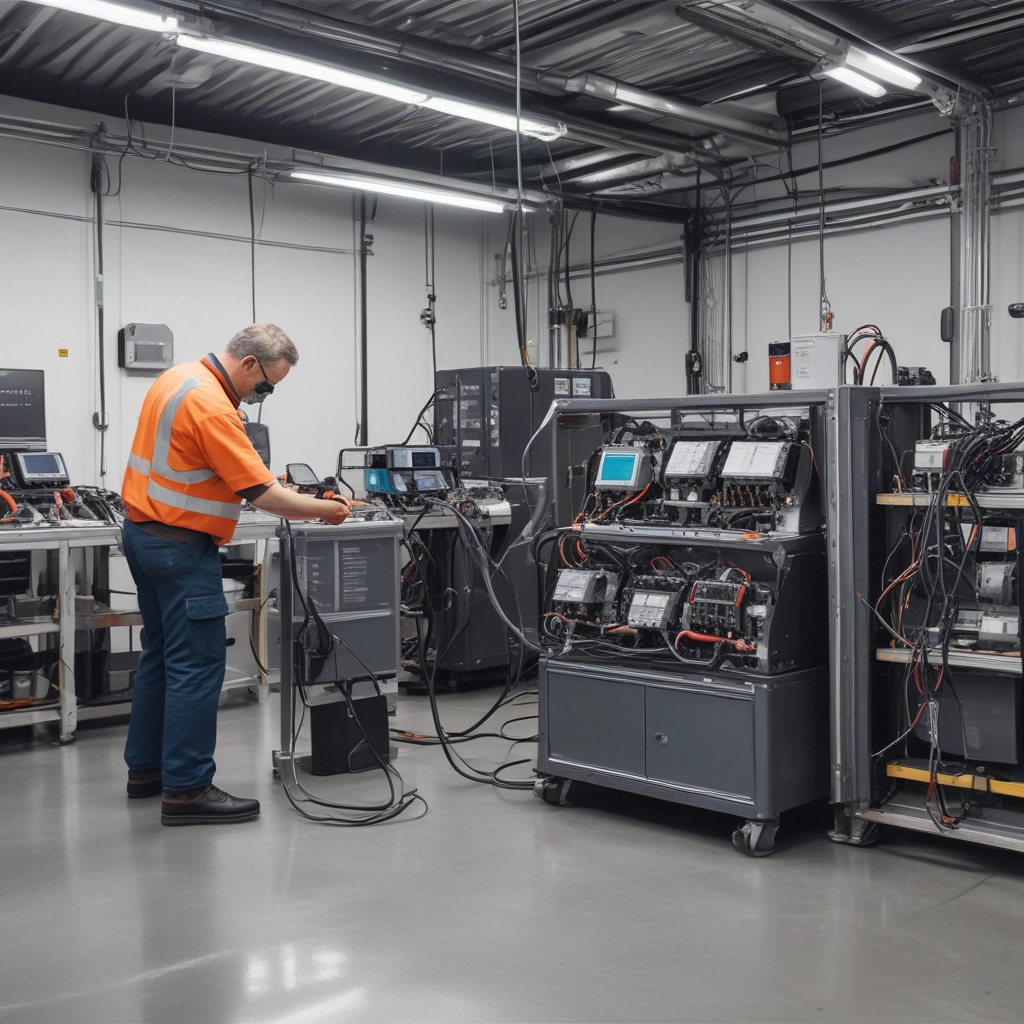
The rapidly growing electric vehicle (EV) market brings with it a parallel challenge—what happens to EV batteries at the end of their first life? While repurposing these batteries for second-life applications like energy storage offers immense potential, the key to unlocking this value lies in efficient and cost-effective testing solutions. Without pragmatic testing, the financial and logistical hurdles of evaluating battery health can overshadow the value they offer in resale or reuse.
The Problem: Testing Costs vs. Market Value
End-of-life EV batteries are not uniform in condition. Some retain significant storage capacity and can be resold for second-life applications, while others are fit only for recycling. The challenge lies in determining their true value without imposing testing costs that outweigh their resale price.
To ensure that testing supports, rather than hinders, the circular economy, it must adhere to three core principles:
1. Affordability: CapEx + OpEx < Value Increase on Marketplace
Testing should be cost-effective, ensuring that the capital (CapEx) and operational expenses (OpEx) remain lower than the added value gained by selling the battery. If the cost to test a battery exceeds its resale value, the model becomes unsustainable. To achieve this:
-
Utilise fast, automated testing protocols instead of lengthy laboratory assessments.
-
Develop portable testing solutions that reduce the need for shipping batteries to centralised locations.
-
Adopt AI-driven predictive analytics to infer state-of-health (SoH) with minimal manual intervention.
2. Distributed: Testing at the Source
Many existing battery health evaluations require transport to specialised facilities, which adds cost and logistical complexity. A practical solution is to enable testing at the field level, where the batteries are retired. Distributed testing ensures:
-
Sellers can perform preliminary evaluations before listing their batteries.
-
Buyers receive verified state-of-health reports without incurring additional delays or costs.
-
The overall logistics burden is reduced, minimising transport emissions and handling risks.
3. Flexibility: Adapting to Hybrid and EV Battery Variants
Not all batteries follow the same design or chemistry. Hybrid vehicle batteries make up 80% of the current end-of-life volume, and any testing framework must cater to:
-
Various battery shapes, configurations, and cooling systems.
-
Different chemistries, including lithium-ion, nickel-metal hydride (NiMH), and emerging solid-state options.
-
Module- and pack-level assessments that allow partial reuse when full packs are not viable.
The Marketplace Imperative: Testing Just Enough
The ultimate goal is to test only as much as needed to meet buyer requirements while maximising value extraction. Over-testing inflates costs without necessarily providing additional buyer confidence, whereas under-testing leads to uncertainty and risk. Striking this balance involves:
-
Buyer-driven testing thresholds: Allowing buyers to specify the minimum verification level required for purchase.
-
Condition-based pricing: Aligning pricing structures with real-world SoH rather than arbitrary classifications.
Integration with digital battery passports: Ensuring compliance with upcoming regulations while streamlining the testing process.
Conclusion: Unlocking Commercial Viability at Scale
For second-life battery marketplace platform to thrive such as BatteryEx.co.uk, testing must become a seamless, scalable, and economically justified process. By ensuring affordability, distribution, and flexibility, the industry can transition from experimental second-life projects to a full-fledged circular economy. In this model, every battery gets a second chance—provided we have the right tools to measure its worth efficiently.
Are you in the business of repurposing EV batteries? What testing challenges have you encountered, and what solutions would best serve your needs? Let’s discuss!
-
-
Why Recycling Batteries is Critical for 2030 and Beyond

The global demand for batteries is experiencing an unprecedented surge, fueled by the rapid growth of electric vehicles (EVs) and the increasing need for energy storage solutions to support renewable energy systems. As we approach 2030, the world faces a looming crisis: critical shortages of essential raw materials like lithium, nickel, and cobalt. These materials are the backbone of modern battery technology, and their scarcity threatens to disrupt the clean energy transition.
This is where battery recycling emerges as a game-changer. By recovering and reusing materials from spent batteries, we can significantly reduce our reliance on environmentally destructive mining practices. Recycling not only helps sustain the supply of these vital resources but also slashes the carbon footprint associated with battery production. Moreover, the concept of “second-life batteries” offers an innovative solution—repurposing used EV batteries for less demanding applications, such as grid storage, before they are ultimately recycled.
The benefits of battery recycling extend far beyond resource conservation. It paves the way for a circular economy, where materials are continuously reused, minimizing waste and maximizing efficiency. This shift is not just an environmental imperative but also an economic opportunity, fostering innovation and creating new industries focused on sustainability.
The message is clear: recycling batteries is no longer just an option—it’s an absolute necessity. To power the future sustainably, we must embrace recycling as a cornerstone of the global energy transition. Join the movement toward a greener, resource-efficient battery economy and help shape a world where technology and sustainability go hand in hand. Together, we can ensure a cleaner, more resilient future for generations to come.
-
The Boom in Used EV Batteries: A Fragmented Market in Need of Trust
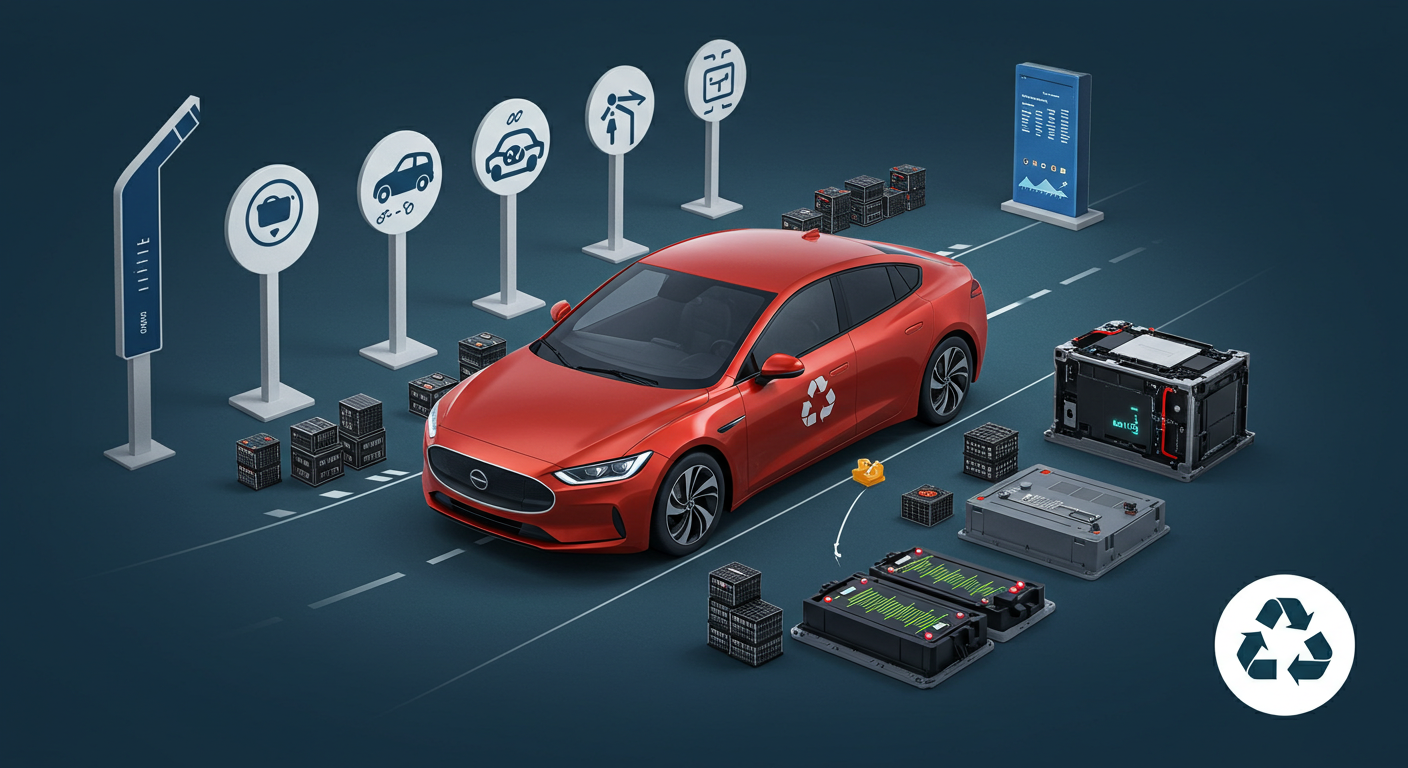
The electric vehicle (EV) revolution is upon us, with millions of EVs hitting the roads globally. This surge in EV adoption is creating a new challenge: what to do with the batteries once they’re no longer suitable for powering vehicles? These used EV batteries still hold significant energy storage capacity and can be repurposed for various secondary applications. However, the market for used EV batteries is currently fragmented and unstructured, posing significant challenges for both buyers and sellers.
Challenges in the Used EV Battery Market:
-
Quality Verification: Buyers struggle to verify the quality and remaining lifespan of used EV batteries. Without standardized testing and certification processes, it’s difficult to assess the true value and potential of these batteries.
-
Lack of a Trusted Resale Channel: Sellers lack a reliable and transparent platform to sell their used EV batteries. This makes it challenging to connect with potential buyers and maximize the value of these assets.
-
Environmental Concerns: Improper handling and disposal of used EV batteries can lead to environmental pollution and resource depletion. A sustainable solution is needed to ensure responsible reuse and recycling of these batteries.
Opportunities and Solutions:
Despite these challenges, the used EV battery market presents significant opportunities for innovation and sustainability. A secure and transparent marketplace is essential to connect supply and demand, ensuring trust, efficiency, and environmental responsibility. Such a marketplace would:
-
Facilitate Quality Assessment: Implement standardized testing and certification processes to provide buyers with reliable information about the condition and potential of used EV batteries.
-
Create a Trusted Resale Channel: Offer a secure and transparent platform for sellers to list their used EV batteries and connect with potential buyers.
-
Promote Sustainable Practices: Encourage responsible reuse and recycling of used EV batteries, minimizing environmental impact and maximizing resource utilization.
The Future of Used EV Batteries:
The used EV battery market is poised for significant growth in the coming years. By addressing the current challenges and creating a trusted marketplace, we can unlock the full potential of these valuable assets, driving sustainability and circular economy principles in the EV industry.
-